Home theater seating care starts with knowing what was installed. A cinema chair can combine upholstery, stitched seams, finished trim, cupholders and optional powered components. Those surfaces do not necessarily share one cleaning method. The most useful maintenance plan links each part to its own instructions, then gives the household a simple routine to follow. This guide explains how to organize that routine without guessing the leather finish, applying a universal cleaner or treating an electrical fault as a housekeeping problem.
Start with the upholstery specification
A product name identifies a design, not every material used on a particular order. Record the upholstery reference, colour, supplier care instructions and approved cleaning products before the room is handed over. Where more than one covering is used, identify which panels carry each material. Do not infer the cleaning method from a photograph, a familiar texture or the word “leather” in a general product description.
Keep these records in one folder with the invoice, order reference and installation photographs. For a managed residence, give the housekeeping team access to the same information. A short, consistent instruction sheet is more useful than several unlabelled bottles left in a cupboard. If the finish is unknown, ask the supplier to identify it before trying a treatment.
Create a baseline at installation
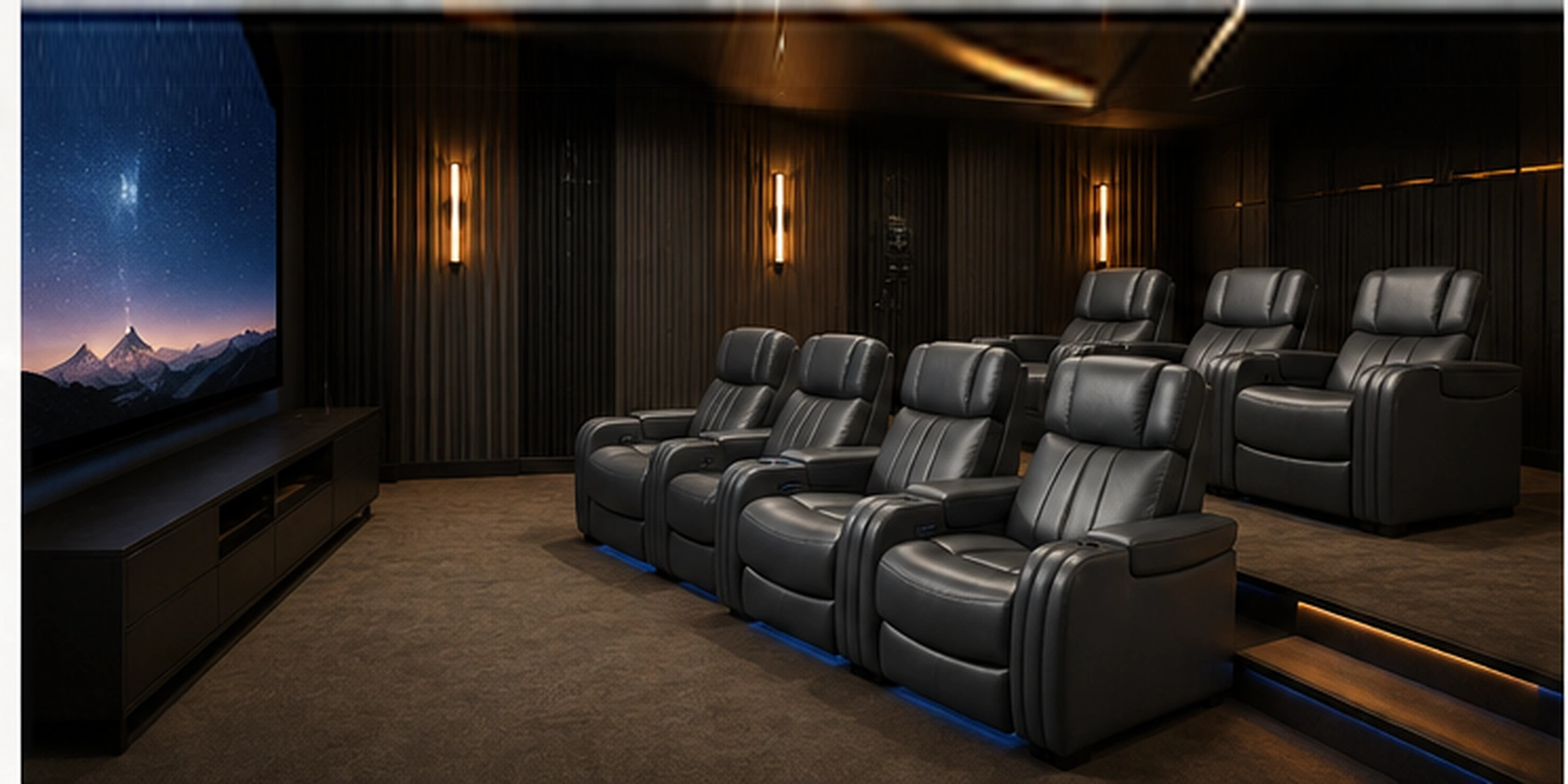
Photograph the room and each row when installation is complete. Include the seat fronts, arms, backs, controls and any visible trim. Label positions clearly, for example “front row, left seat, viewed from the screen.” A consistent naming system helps an owner, installer and service technician discuss the same chair without confusion.
Ask the installer to demonstrate the functions included in the order and explain how the seating is isolated from power. Save the operating manual and the location of accessible connections. For Graphite Row, the published specification describes upholstery and utility functions as project-selectable. The delivered configuration, rather than every feature pictured online, should determine the maintenance checklist.
Use a short routine after a screening
Turn on the room lights before checking the seating. Remove glasses, snack containers and loose belongings, then look for spills or objects left near the controls. Make this a quick reset rather than an intensive cleaning session. In a guest cinema, assign responsibility for the check so that a small problem is not left until the next visit.
For routine leather dust removal, use a clean dry cloth or an appropriate soft vacuum brush, following the covering supplier's instructions. Address spills promptly. Avoid household solvents, oils and steam on leather unless the specific supplier explicitly approves a method. These precautions are consistent with Stressless's published leather-care guidance; its branded treatments and treatment intervals should not be assumed to apply to CAVENRO upholstery.
Respond to spills without experimenting
Keep the supplier's spill instructions beside the approved care products. Follow the method for the actual covering, including any restrictions on water or cleaning agents. Do not combine products or escalate to a stronger cleaner simply because the first attempt leaves a mark. For fabric, use its documented cleaning code and test an approved treatment in an inconspicuous place as directed. La-Z-Boy's upholstery guidance illustrates why methods differ between coverings; it is not a substitute for the instructions supplied with your order.
When asking for assistance, send a photograph, the upholstery reference, what was spilled and which actions have already been taken. Include the approximate time of the incident. Those details give the supplier or upholstery specialist a clearer starting point than a description such as “the seat is stained.” Keep the affected position out of use while you obtain advice if the condition is uncertain.

Separate upholstery care from accessory cleaning
A cinema row may include cupholders, tray surfaces, charging points or storage compartments. List only the accessories actually installed. Record the permitted method for each finish and whether an insert is designed to be removed. A removable-looking part should not be pulled out unless the instructions confirm that it is removable.
Keep cleaning liquid away from electrical controls and connections. Do not spray directly into buttons, sockets or openings. Treat powered accessories as part of the electrical assembly, not as ordinary washable household containers. If liquid reaches an electrical component, stop using the affected seat and obtain service advice rather than operating it repeatedly to see whether it still works.
Make powered recliner maintenance a separate task
Follow the supplied manual for disconnecting power before cleaning, moving or servicing powered seating. Manufacturer instructions such as the La-Z-Touch operating manual distinguish these actions from normal use. Never assume that switching off an accessory light isolates the chair. If the arrangement includes a battery, obtain the relevant isolation instructions as well.
Leave internal mechanisms, electrical repairs and lubrication to the specified service procedure or a qualified technician. Keep hands, cleaning tools, children and pets clear of moving parts. If a chair behaves unexpectedly, stop operating it and report the symptoms. Record which position is affected and whether the issue concerns the footrest, back, control or another installed function. A short description of what happened is preferable to repeated attempts to force movement.
Plan access before arranging a service visit
A beautiful cinema can still be difficult to maintain if nobody knows how to reach its connections. Keep the installation plan with the care folder and mark the intended service route. This is particularly helpful where several chairs share a row or sit on a platform. Ask the installer who should move or separate the units if access is required.
Before booking a visit, send the order reference and position labels to the service contact. Explain access constraints such as stairs, narrow doors or fitted cabinetry. Do not rearrange the room or disconnect unfamiliar wiring in anticipation of the visit. Preparing the information first can make the work more focused and reduce misunderstandings about which component needs attention.
Set a review schedule that matches actual use
As an organizational starting point, schedule a brief weekly visual check for a regularly used room and an additional check after entertaining. This is not a universal cleaning or conditioning interval. The upholstery instructions, actual use and visible condition should determine when material-specific work is needed. A seldom-used guest cinema and a daily family room may require different attention.
Review the care folder whenever a covering, accessory or component is replaced. Keep the updated instructions with the original order history instead of discarding the old record. If several people maintain the room, note the date and product used for any approved treatment. That simple record prevents the next person from repeating a treatment unnecessarily.
What should a cinema seating handover include?
- The final order reference, row configuration and labelled seat positions.
- Upholstery and finish references, with the applicable care instructions.
- Operating manuals for the installed powered functions and accessories.
- The agreed service contact, warranty documents and access information.
- Installation photographs and a record of any subsequent replacements.
These documents are worth discussing while selecting furniture from the CAVENRO Cinema collection. For a mixed entertainment space, include pieces from the Lounge collection in the same room inventory, while keeping each item's care requirements separate. A consistent filing system should not become a one-product-fits-all cleaning policy.
A well-kept room begins with a clear brief
The aim of home theater seating maintenance is a room that remains comfortable and straightforward to use. It does not require an elaborate ritual or unsupported promises about how long a covering will last. It requires a known specification, appropriate instructions and someone responsible for noticing changes. Decide who will maintain the room while the project is being planned, and include that person in the handover.
Planning a private cinema?
Send CAVENRO your room plan, seat count, destination and preferred upholstery direction. Include your housekeeping and service-access requirements so they can be discussed alongside the seating configuration.
Start a Project