Designing a private bar or cigar lounge demands a nuanced understanding of material performance, visual weight and tactile experience. The right combination of wood, metal, stone and upholstery not only defines the room’s aesthetic but also supports the functional rigour of frequent use. This article outlines the attributes of premium materials, offers practical selection criteria, and highlights how thoughtful detailing can elevate a space from merely luxurious to truly iconic.
1. Wood Selection: From Classic Walnut to Exotic Ebony
Solid hardwood remains the cornerstone of high‑end bar and cigar furniture. Species such as walnut, mahogany and rosewood provide a warm grain that ages gracefully, while exotic options like ebony or wenge add depth and a dramatic contrast. When specifying, consider the grain direction and density, as these affect both visual stability and resistance to humidity fluctuations common in cigar environments.
Engineered alternatives, including veneered panels and laminated cores, can replicate the look of solid timber while offering greater dimensional stability. For bespoke bar fronts, a hybrid approach—solid edge bands paired with a stable core—delivers the tactile richness of real wood without the risk of warping over time.
2. Metal Accents: Brass, Stainless Steel and Patinas
Metals introduce a refined contrast to wood and stone, reinforcing the sense of craftsmanship. Polished brass and brushed stainless steel are favoured for bar rails, hardware and lighting fixtures, each offering a distinct visual temperature. Brass ages to a warm patina, which can be accelerated or halted depending on the client’s preference, while stainless steel retains a crisp, contemporary edge.
Finishes such as antiqued copper or oil‑rubbed bronze add depth without overwhelming the surrounding materials. When integrating metal components, ensure they are anchored to a stable substrate to prevent vibration, especially in high‑traffic bar areas where movement is frequent.
3. Leather and Upholstery: Tactile Luxury
Full‑grain leather remains the benchmark for bar stools and lounge seating, offering a supple feel that improves with use. Its natural breathability is advantageous in cigar rooms, where humidity control is critical. For a more contemporary palette, consider vegetable‑tanned leathers in muted tones that complement the darker woods often employed in these interiors.
High‑performance fabrics, such as performance velvet or tightly woven wool, provide an alternative where leather may be unsuitable. Choose textiles with a tight weave and low pile to minimise the accumulation of ash and to facilitate cleaning, while still delivering a plush, inviting surface.
4. Stone and Marble: Weight and Elegance
Natural stone surfaces convey permanence and gravitas. Marble, onyx and honed limestone are popular for bar tops and cigar humidor bases, each offering unique veining that becomes a focal point. The inherent coolness of stone also aids in maintaining a stable environment for stored cigars, provided the surrounding climate is properly regulated.
When specifying stone, assess the finish—polished, honed or leathered—as each influences slip resistance and visual impact. Sealants should be low‑VOC and breathable, allowing the stone to breathe while protecting against spills and the occasional ash residue.
5. Glass and Acrylic: Transparency with Strength
Tempered glass and high‑grade acrylic are increasingly used for shelving, display cabinets and bar backsplashes. Their transparency creates visual lightness, allowing the richness of surrounding materials to dominate. Tempered glass offers superior impact resistance, while acrylic provides a lighter alternative with comparable clarity, useful where structural load is a concern.
Edge treatments—bevelled, polished or sand‑blasted—affect both safety and aesthetic. Incorporating subtle frosted sections can conceal storage while preserving an open feel, a technique often employed in modern cigar lounges to hide humidor mechanisms.
6. Sustainable and Reclaimed Materials
Eco‑conscious clients appreciate the narrative behind reclaimed timber and responsibly sourced stone. Reclaimed barn wood, for example, brings a weathered patina that can be refined with modern finishes, delivering a dialogue between heritage and contemporary luxury. Certification schemes such as FSC provide assurance of sustainable sourcing for new timber.
Reclaimed metal, sourced from decommissioned industrial fixtures, can be re‑finished to match bespoke brass or copper accents. When integrating reclaimed elements, verify structural integrity and treat surfaces to meet the hygiene standards required in bar and cigar environments.
7. Finishes and Treatments for Longevity
Finishing systems protect and enhance material character. For wood, high‑build oil‑based varnishes penetrate deeply, offering durability while preserving natural grain. Polyurethane or water‑borne acrylic topcoats provide a harder surface for bar tops that see frequent glass placement. Metal surfaces benefit from clear lacquers that guard against oxidation without altering colour.
Regular maintenance protocols—light polishing for brass, periodic resealing of stone, and gentle leather conditioning—extend the lifespan of each component. Designers should specify maintenance‑friendly finishes that allow the end‑user to preserve the intended aesthetic with minimal effort.
8. Integrating Storage: The Role of Humidors
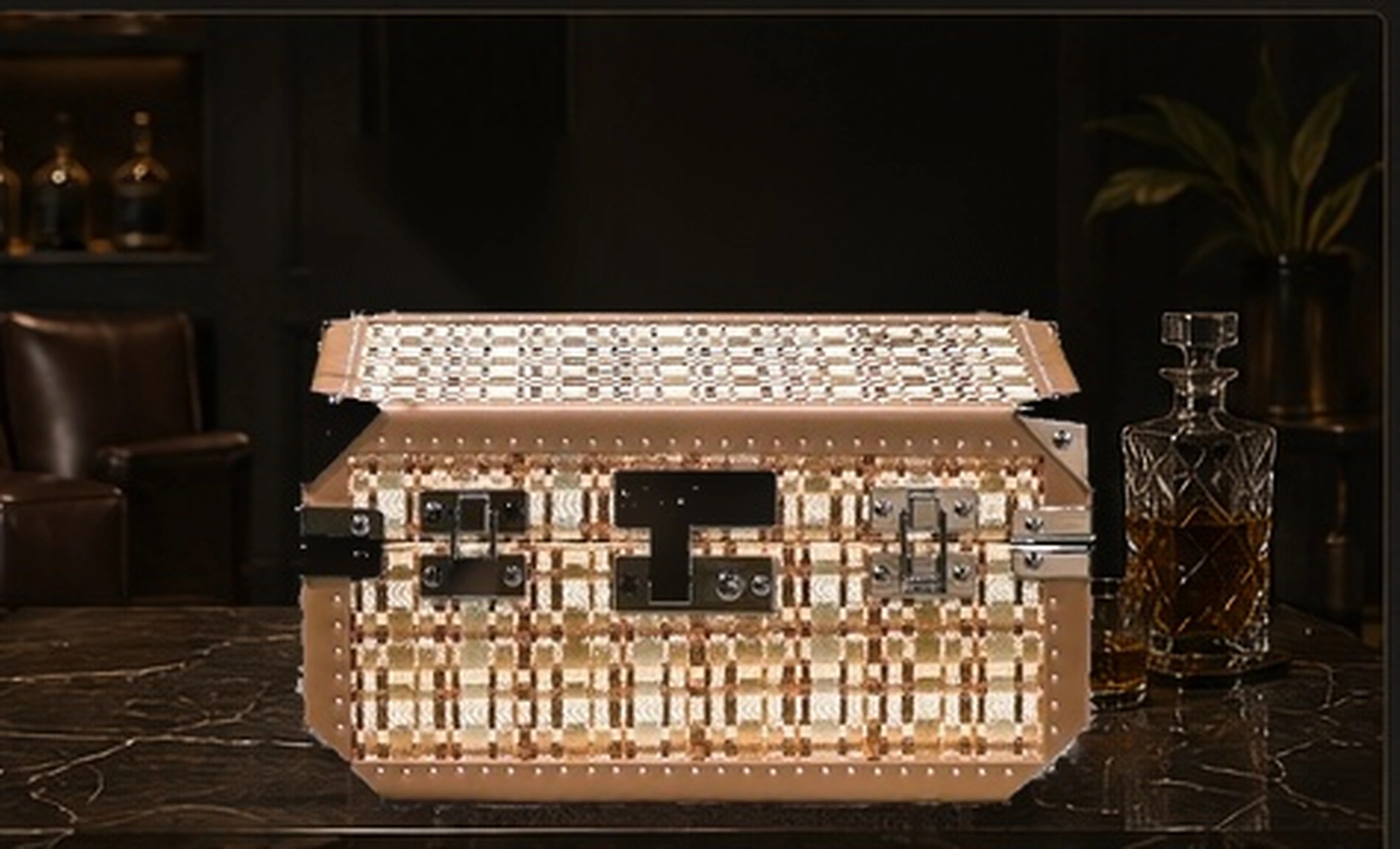
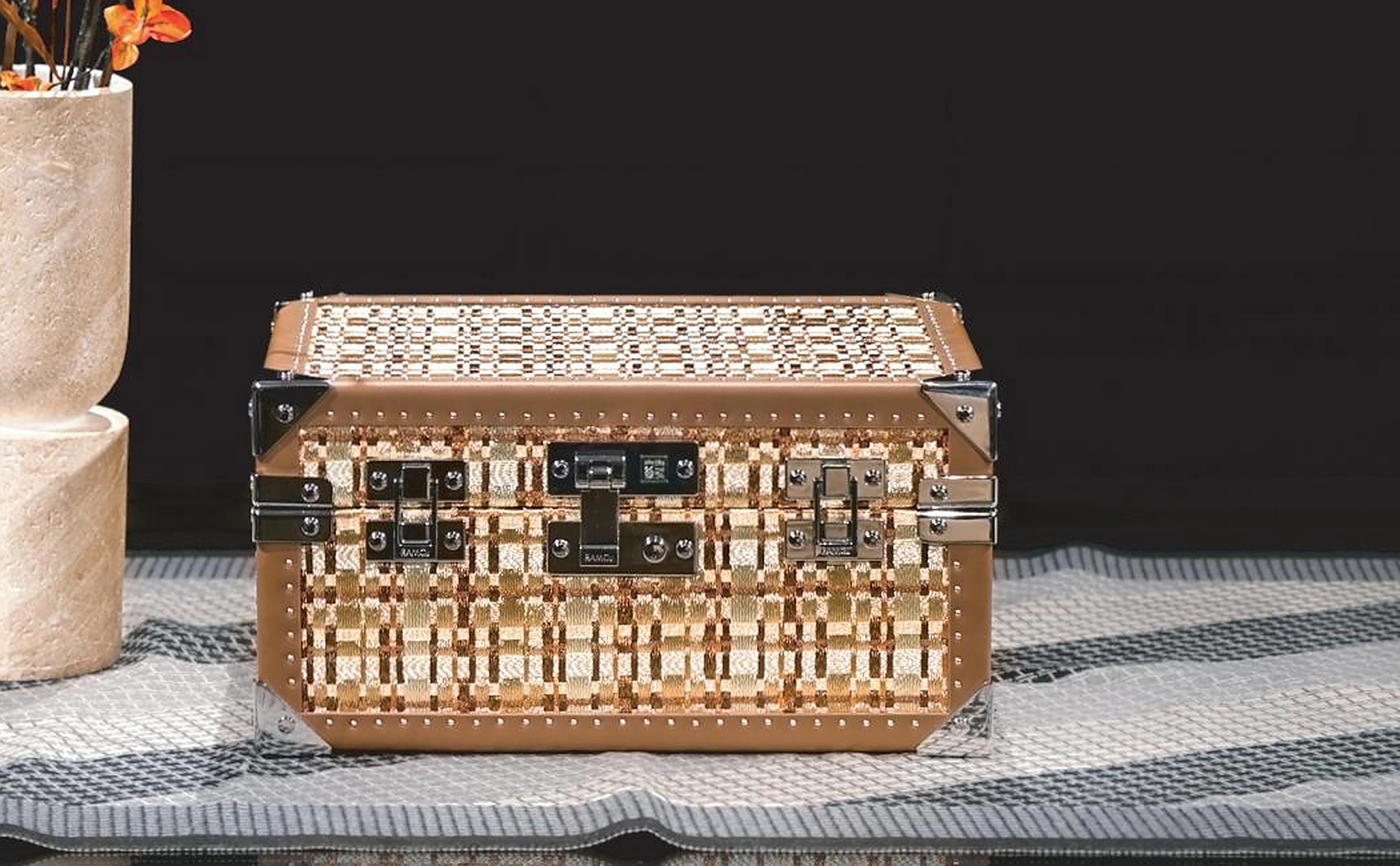
A dedicated cigar storage unit is the centerpiece of any premium lounge. The Ember Humidor, for instance, demonstrates how a carefully selected wood core, precise humidity control and discreet metal hardware can coexist within a refined design language. When planning, allocate a climate‑controlled zone that isolates the humidor from direct sunlight and drafts.
Consider modular humidor configurations that can be concealed behind custom cabinetry or integrated into a bar island. This approach maintains visual continuity while providing the necessary technical environment for cigar preservation.
9. Coordination with Lighting and Acoustics
Material choice influences both light reflection and sound absorption. Dark, dense woods absorb ambient noise, creating a more intimate atmosphere, whereas polished stone and glass reflect light, enhancing illumination. Layered lighting—cove, task and accent—should be calibrated to the reflectivity of each surface to avoid glare on polished metal or glass.
Acoustic panels concealed within upholstered walls or behind stone cladding can mitigate reverberation without compromising visual elegance. By aligning material properties with lighting and acoustic strategy, designers achieve a harmonious environment that feels both luxurious and functional.
Frequently asked questions
Which material offers the best balance of durability and visual warmth for a bar countertop?
A thick, honed marble slab provides exceptional durability while delivering a warm, natural veining that complements wood and metal accents. When sealed with a breathable, low‑VOC finish, marble resists staining and can endure the rigours of daily bar service.
How can I ensure the cigar humidor integrates seamlessly with the surrounding furniture?
Select a humidor whose exterior finish matches the primary wood or metal palette of the room. Modular designs allow the unit to be concealed behind custom cabinetry or incorporated into a bar island, preserving visual continuity while maintaining the precise climate control required for cigar storage.
Are there any concerns when using reclaimed wood in high‑traffic bar areas?
Reclaimed wood can be structurally sound, but it should be inspected for hidden cracks or insect damage. Applying a high‑build oil finish not only enhances the patina but also creates a protective layer that withstands spills and foot traffic typical of bar environments.
What maintenance routine is recommended for leather bar stools in a cigar lounge?
A light conditioning with a pH‑balanced leather cream every three to six months keeps the material supple and resistant to ash residue. Spot‑clean spills promptly with a damp cloth, and avoid harsh solvents that could strip the finish.
Selecting the right materials for a luxury bar or cigar room is a disciplined exercise in marrying aesthetics with performance. By understanding the inherent qualities of wood, metal, stone, glass and sustainable alternatives, designers can craft spaces that age gracefully, respond to environmental demands and convey a timeless sense of refinement. CAVENRO’s portfolio, exemplified by the Ember Humidor, illustrates how thoughtful material integration can become the quiet hero of a sophisticated lounge. Ultimately, the success of each project rests on a collaborative dialogue with clients, engineers and craftsmen to ensure that every surface, finish and detail supports the intended experience.
Related CAVENRO references
Need a project-specific seating proposal?
Share the room drawings, configuration, materials, required functions and destination. CAVENRO can review the brief before quotation.
Start a Project